Step-by-step instructions for restaurants, retailers, and fish distributors in Dubai
It is now 4:30 in the morning in Hamriyah Port, Dubai. A load of fresh hammour, prawn, and sea bass have just been delivered on shore from a fishing boat. The timer starts ticking immediately; for each degree rise in the temperature, the life span of that seafood reduces. For restaurant owners, supermarket groups, and fish distributors in the UAE, there is one single factor which determines whether the catch becomes premium or a write-off.
From Port to Plate: The Journey Each Catch Must Take
Once the fish is taken out of water, the transformation process starts. The growth of bacteria, enzyme action on muscle fibre, and weakening of texture begin, and this process gets speeded up once the temperature rises above 4°C, thus providing only a limited time for such quality products as hammour, sultan ibrahim, and fresh prawns.
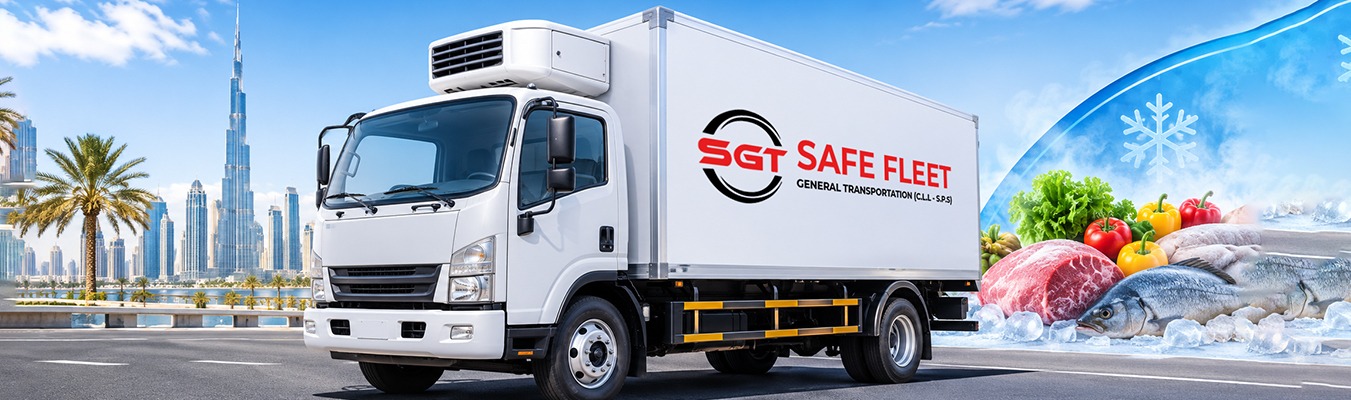
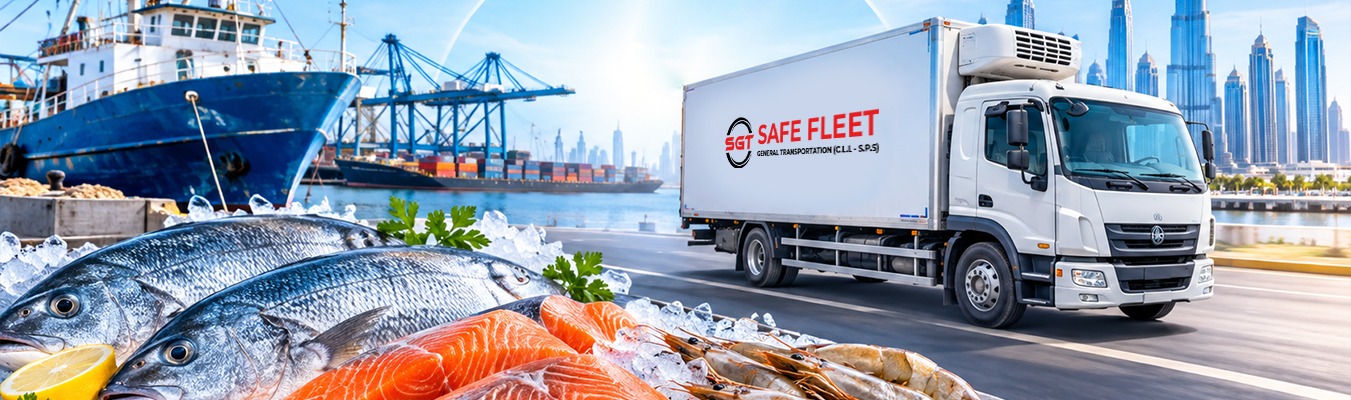
The first step in the right chain starts from the port. The catch is sorted, iced, and packed into a refrigerated truck or chiller van pre-cooled to the desired temperature. This process then continues through Dubai’s heat, where temperatures can reach even 45°C, to the processing unit, cold store, and eventually reaches the buyer’s kitchen. Here comes the key factor: throughout the entire process the temperature in the truck should remain the same.
Where Clients Usually Get Confused (and Their Honest Answers)
The number one question that most clients ask is: “What’s wrong with using a normal van with ice boxes?” The honest truth is that there isn’t any problem with it, except that the ice will melt, the interior of the van will heat up in less than a minute, and by the time the delivery reaches Bur Dubai or Jumeirah, the core temperature of the fish will have reached the danger zone.
The second most common question: “Is there any difference between frozen and chilled?” No, they are different. While fresh seafood should be kept chilled in 0-4°C temperature, frozen seafood needs to be kept at -18°C or below. Storing them together will lead to either thawing of frozen seafood or partial freezing of the fresh seafood.
Monitoring is another issue. A refrigerated truck without proper monitoring is like a black box; if the cooling system breaks down on the way from Ajman to Abu Dhabi, the driver won’t know about it till he opens the door.
What Proper Temperature Control Actually Looks Like
A reliable system for seafood transport in Dubai comprises four components: properly pre-cooled vans used for either chilling or freezing, the ability to monitor temperatures using GPS, well-trained drivers knowledgeable about proper cold chain handling, and round-the-clock availability. This is precisely the criteria observed by Safe Fleet General Transportation (SPS LLC) in Dubai, Sharjah, Ajman, Umm Al Quwain, Ras Al Khaimah, and Dubai-Abu Dhabi regions.
Making the Right Decision
Being an entrepreneur dealing in seafood in Dubai and across the UAE, the question that you need to ask yourself is, “What does it cost me to lose just one delivery?” Instead of thinking about the cost of cheap transportation, realize how much a damaged consignment could cost you in reputation and income loss. Think about the safety of your consumer and choose the right logistics partner.
Conclusion
Temperature controlled safe seafood transportation in Dubai is not just about transporting the fish from point A to point B. It’s about ensuring safety of the temperature, freshness, and trust in each and every kilometer. Safe Fleet General Transportation (SPS LLC), company based out of Ajman and providing its services for Dubai & the entire UAE, ensures your catch remains fresh and cold.
Frequently Asked Questions (FAQs)
Q. At what temperature should fresh seafood be transported in Dubai?
Fresh seafood is moved at 0–4 °C, while frozen remains below -18°C. SPS LLC ensures this range through real-time temperature control throughout Dubai and UAE.
Q. Should I use a refrigerated truck or chiller van for seafood transport in Dubai?
A 3-ton chiller van would do for restaurant seafood supplies delivery, while a 5-ton or 10-ton freezer truck would be ideal for wholesale frozen shipments. Both can be arranged by Safe Fleet General Transportation (SPS LLC) in Dubai, Sharjah, Ajman, Umm Al Quwain, Ras Al Khaimah, and Dubai to Abu Dhabi road.
Q. Is it possible to transport both fresh and frozen seafood at once?
No, because each requires its temperature range (0-4 for fresh, -18 for frozen). Safe Fleet General Transportation (SPS LLC) has special trucks or temperature zones for each shipment.
Q. What is the temperature monitoring process for transporting seafood in the UAE?
The truck is fitted with GPS-enabled sensors that record the temperature of the truck cabin in real-time and notify the driver if there is any change in temperature. The system is common to all trucks used by Safe Fleet General Transportation (SPS LLC).
Q. Is same day refrigerated seafood delivery available in Dubai?
Yes. Same day refrigerated seafood delivery service is available in Dubai through Safe Fleet General Transportation (SPS LLC).