Struggling to choose between multi-temp and single-temp refrigerated trucks in the UAE? Safe Fleet breaks down the pros, cons, and cost-efficiency to help you decide.
In the fast-paced world of UAE logistics, maintaining the integrity of perishable goods is non-negotiable. Whether you are transporting fresh produce from Dubai’s markets or delivering frozen meat across Sharjah, the right equipment is your first line of defense.
One of the most common dilemmas for businesses is choosing the fleet configuration: Multi-Temperature or Single-Temperature trucks?
Making the wrong choice can lead to spoiled inventory, increased fuel costs, and inefficient delivery routes. In this guide, the experts at Safe Fleet General Transportation LLC explain the differences and help you determine which solution fits your business needs.
What is a Single-Temperature Refrigerated Truck?
A single-temperature truck (often called a mono-temp reefer) maintains one consistent temperature setting throughout the entire cargo container.
How it works: The entire storage space is set to either frozen (e.g., -18°C) or chilled (e.g., +4°C).
Best Use Case: This is the industry standard for businesses transporting large quantities of similar goods.
When to Choose Single-Temperature Transport:
You should opt for a single-compartment vehicle if:
You specialize in one product type: e.g., a factory distributing only ice cream or only fresh milk.
You require maximum space: Removing internal partitions allows for better pallet utilization and higher volume capacity.
Cost is a priority: Generally, refrigerated truck rental for single-unit vehicles is more cost-effective for simple, high-volume loads.
What is a Multi-Temperature Refrigerated Truck?
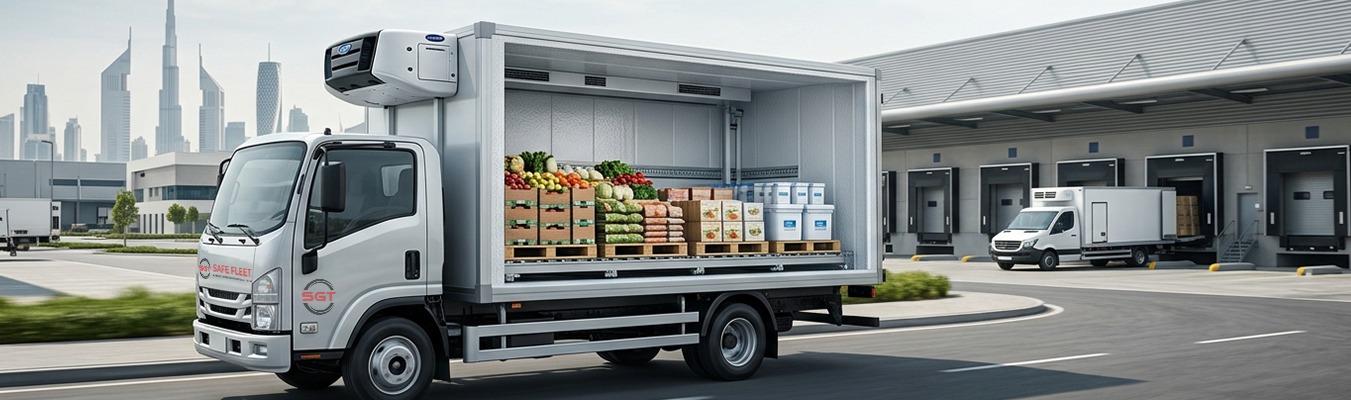
A multi-temperature truck features a movable bulkhead (partition) that allows the cargo area to be divided into separate zones. Each zone can be set to a different temperature simultaneously.
How it works: The front of the truck might be set to -20°C for frozen chicken, while the back is set to +5°C for fresh lettuce.
Best Use Case: This is ideal for distribution centers, supermarkets, and catering companies that deliver diverse orders in a single trip.
When to Choose Multi-Temperature Transport:
You should opt for a multi-temp vehicle if:
You deliver mixed orders: Restaurants and retail stores often order both frozen and chilled items together.
You want to reduce fleet size: Instead of sending two trucks (one frozen, one chilled), you can send one multi-temp truck, saving on driver costs and fuel.
You serve multiple clients: If one delivery route includes a bakery (chilled), a pharmacy (controlled room temp), and a butchery (frozen), a multi-temp truck is essential.
Key Factors for UAE Businesses to Consider
The climate in the UAE adds an extra layer of complexity to cold chain logistics. Here is how these two truck types compare in the local context:
1. Fuel Efficiency and Operational Costs
In the extreme heat of Dubai and Abu Dhabi, refrigeration units work harder to maintain set points.
Single-Temp: Generally more fuel-efficient as the cooling unit works to stabilize one environment.
Multi-Temp: Requires a more advanced (and powerful) refrigeration system to manage conflicting temperatures. However, the money saved on reducing the number of vehicles on the road often offsets the higher fuel cost of the truck itself.
2. Flexibility vs. Simplicity
Single-Temp offers simplicity. There is less risk of human error regarding temperature settings.
Multi-Temp offers flexibility. For event logistics in the UAE, where a single venue might need ice (frozen) and beverages (chilled), the flexibility is unbeatable.
3. Load Management
Single-Temp: Loading is faster as you don’t need to worry about zoning.
Multi-Temp: Requires careful loading planning. If the driver puts a box of frozen fish in the “chilled” zone by mistake, the product will spoil. Proper staff training is required.
Comparison Summary
| Feature | Single-Temperature Truck | Multi-Temperature Truck |
|---|---|---|
| Temperature Zones | One setting for the entire vehicle | 2–3 separate zones with different temperature settings |
| Ideal For | Bulk transport of a single product (e.g., ice cream) | Mixed deliveries (e.g., supermarkets, catering businesses) |
| Cost Efficiency | Lower rental and maintenance costs | Higher operational cost, but reduces overall route expenses |
| Space Utilization | Maximum use of full cargo space | Slightly reduced due to partitions (bulkheads) |
| Risk Level | Low (simple operation and handling) | Moderate (requires careful loading and temperature management) |
Conclusion: Which is Right for You?
If your business model involves moving high volumes of a single product – like distributing frozen meats across the UAE; a Single-Temperature Truck is your most cost-effective and efficient choice.
However, if you are a supplier to retail chains, a catering company, or a pharmacy needing to deliver varied orders in a single trip, investing in Multi-Temperature Transport will streamline your supply chain and reduce your logistical overhead.
Get the Right Fleet with Safe Fleet
At Safe Fleet General Transportation LLC, we understand that no two businesses are alike. That is why we offer a versatile range of refrigerated truck rentals in Dubai and the UAE, including both single and multi-temperature configurations.
Whether you need a reliable chiller van for short-term rental or a long-term lease for a fleet of freezer trucks, we ensure your perishables arrive fresh, every time.
Ready to optimize your cold chain logistics?
Contact Safe Fleet today for a customized quote on refrigerated transport solutions.